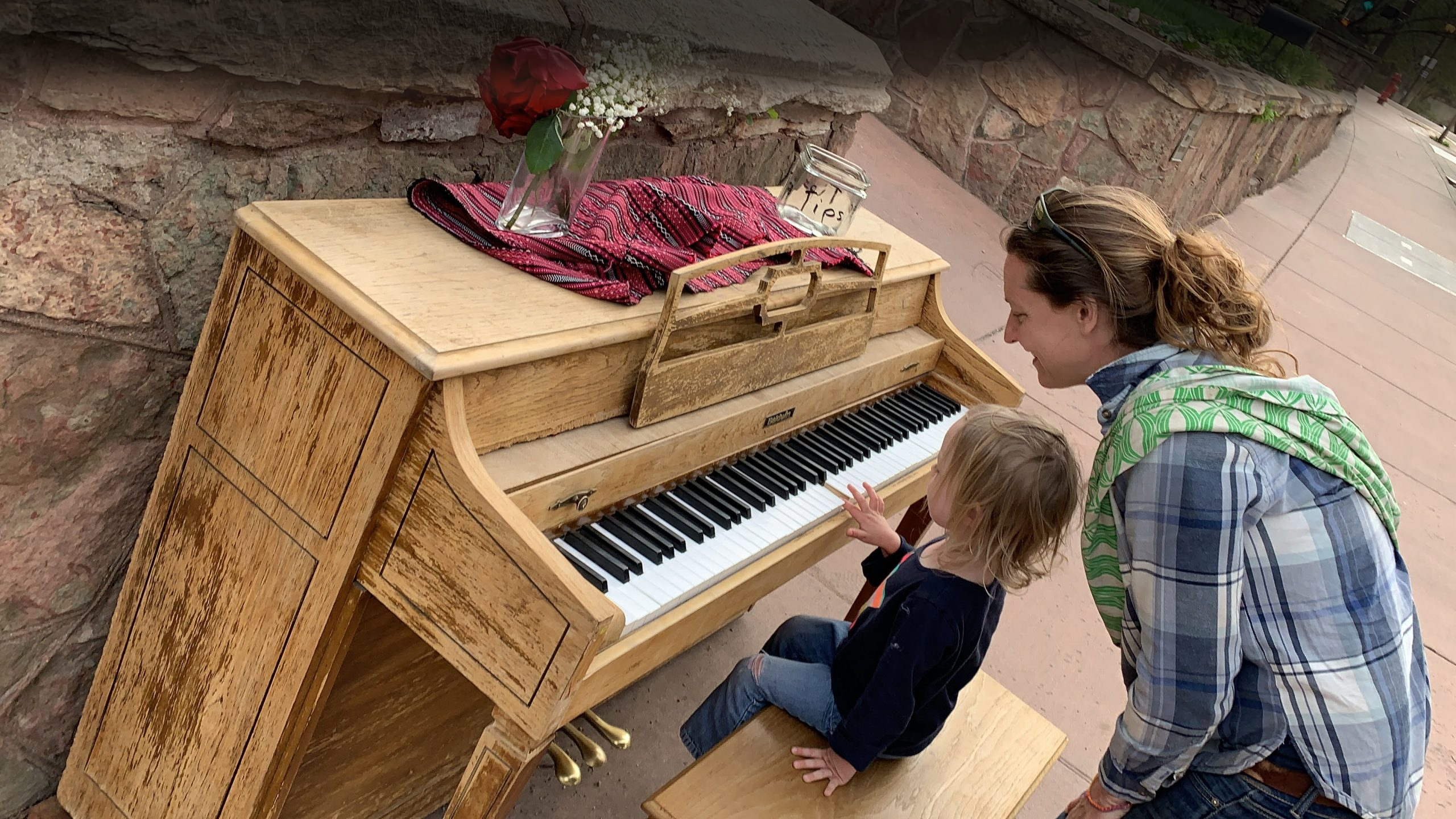
Somatic Approaches to Music
Embodied Musical Intelligence
- Foundational Somatic Practices
- Advanced Somatic Techniques
- Practical Somatic Exploration Protocols
- Somatic Musical Intelligence Protocol
Breath-Sound Alignment
Connecting breath with musical expression:
- Explore respiratory rhythms
- Use breath as primary musical initiator
- Develop internal listening through respiratory awareness
- Create sound directly from physiological impulses
Movement-Sound Integration
- Body as primary musical instrument
- Explore movement-generated soundscapes
- Develop kinesthetic musical awareness
- Use physical gestures to generate musical expressions
Neurological Resonance Practices
- Nervous system as musical generator
- Explore involuntary muscular responses
- Develop sensitivity to internal rhythmic impulses
- Create music from subconscious physiological states
Sensory Mapping
- Translate sensory experiences into sound
- Develop multi-sensory musical perception
- Explore synesthetic musical experiences
- Connect tactile, visual, and auditory sensations
Core Exercise: Embodied Listening
1. Sit in neutral posture
2. Close eyes
3. Listen to internal body rhythms
4. Translate internal sensations into sound
5. Allow spontaneous musical expression
Progressive Somatic Musical Development
- Stage 1: Internal awareness
- Stage 2: Subtle movement generation
- Stage 3: Sound exploration
- Stage 4: Integrated musical expression
Comprehensive Exploration Stages
Stage 1: Sensory Awakening
- Develop heightened body awareness
- Explore internal rhythmic landscapes
- Create sound from subtle muscular impulses
Stage 2: Movement-Sound Integration
- Translate physical gestures into sonic expressions
- Develop non-linear musical communication
- Explore improvisation through bodily intelligence
Stage 3: Neurological Resonance
- Explore involuntary muscular responses
- Generate music from subconscious physiological states
- Create multi-dimensional sonic experiences
Final Stage: Integrated Expression
- Synthesize all explored techniques
- Develop personal somatic musical language
- Celebrate individual resonance
Transformative Insights
Philosophical Foundations
Music as Holistic Communication
– Transcend performative constructs
– Embrace bodily musical intelligence
– Recognize individual sonic uniqueness
Key Breakthrough Principles
– Surrender to spontaneous expression
– Remove performative barriers
– Trust bodily musical wisdom
– Celebrate individual resonance and expression
Performance Anxiety Dismantling
The Body as a Living Instrument
Kinesthetic Musical Awareness Development | Music, Like Breathing
Exploration Approaches
1. Breath as Primary Instrument
– Explore respiratory rhythms
– Create sound through breathing variations
– Develop internal listening
2. Movement-Generated Soundscapes
– Improvised movement generation
– Spontaneous body percussion
– Gestural sound creation
Advanced Kinesthetic Practices
– Blindfolded movement-sound exploration
– Slow-motion gestural sound generation
– Emotional state physical translations