ExplorING the relationship between music, cognition, and the body.
Music is often perceived as an abstract, purely mental phenomenon, yet music is actually simply physics perceived in what we call sound (vibrations in motion, in atmosphere).
- Embodied Music Cognition is an interdisciplinary approach that views musical experience as fundamentally rooted in bodily perception and interaction, emphasizing how our physical bodies actively shape our musical understanding and experience.
- Traditional views of music cognition typically focus on the brain as the primary site of musical processing.
Experiencing music as humans do, requires mind and body, space and time, matter and form, as well as the absence of each.
Music perception and cognition are not solely located in the brain; music is energy’s voice, and awareness and the experience of it is distributed throughout the body and shaped by sensorimotor function.
Accordion Style 4
Accordion Title 1
Some title here
Lorem Ipsum is simply dummy text of the printing and typesetting industry. Lorem Ipsum has been the industry's standard dummy text ever since the 1500s, when an unknown printer took a galley of type and scrambled it to make a type specimen book.
Accordion Title 2
Some title here
Lorem Ipsum is simply dummy text of the printing and typesetting industry. Lorem Ipsum has been the industry's standard dummy text ever since the 1500s, when an unknown printer took a galley of type and scrambled it to make a type specimen book.
Accordion Title 3
Some title here
Lorem Ipsum is simply dummy text of the printing and typesetting industry. Lorem Ipsum has been the industry's standard dummy text ever since the 1500s, when an unknown printer took a galley of type and scrambled it to make a type specimen book.
Some key concepts in embodied music cognition include:
- Embodied action: The idea that musical actions, such as playing an instrument or dancing, are fundamental to music cognition and shape our perception of music.
- Sensorimotor integration: The integration of sensory information from the environment and motor information from the body to create a unified experience of music.
- Enactivism: The idea that cognition emerges from the dynamic interaction between the organism and its environment.
Research in embodied music cognition has led to a range of interesting findings, including:
- Musical expertise: Studies have shown that musicians’ bodily experiences, such as finger placement and movement, influence their musical perception and performance.
- Emotion and expression: Research has found that bodily expressions, such as facial expressions and posture, play a crucial role in conveying and perceiving emotions in music.
- Music and movement: Studies have demonstrated that movement and music are closely linked, with movement influencing musical perception and vice versa.
Embodied music cognition has implications for music education, performance, and therapy. For example, it suggests that music education should focus on developing bodily skills, such as movement and gesture, in addition to traditional musical skills.
Some potential applications of embodied music cognition include:
- Music therapy: Embodied music cognition approaches can be used to develop more effective music therapy interventions that incorporate bodily experiences.
- Music performance: Understanding the role of bodily experiences in music performance can inform the development of new performance techniques and technologies.
- Music education: Embodied music cognition can inform the development of more holistic music education approaches that integrate bodily experiences with traditional musical skills.
Embodied music cognition offers a new perspective on the complex relationships between music, cognition, and the body, with implications for a range of fields, from music education and performance to therapy and neuroscience.
1. Sensorimotor Integration
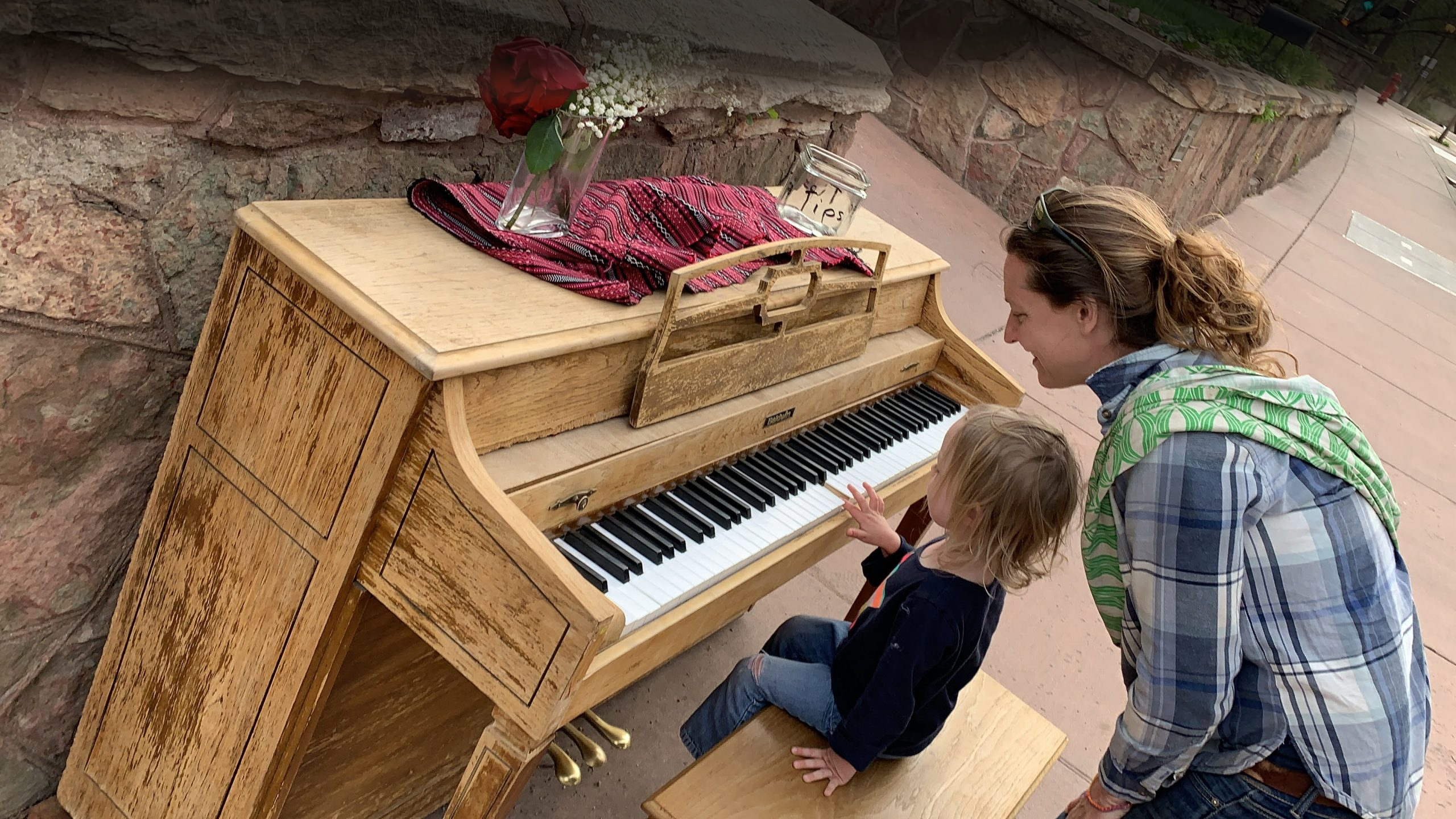
Embodied music cognition highlights the importance of sensorimotor experiences in musical understanding. For example, the physical act of playing an instrument or dancing to music can enhance our cognitive and emotional engagement with the music.
2. Emotion and Affect
Music has a profound impact on our emotions. Embodied approaches suggest that our bodily responses to music, such as changes in heart rate, breathing, and movement, are integral to how we experience and interpret musical emotions.
3. Cultural and Social Contexts
Music is often experienced in social and cultural contexts, which can shape our embodied responses. For instance, the way we move or feel during a concert or a dance performance is influenced by the social norms and cultural practices of the community.
4. Neuroscience and Psychology
Research in neuroscience and psychology has shown that listening to music activates various brain regions associated with motor control, emotion, and memory. This supports the idea that music cognition is deeply rooted in our bodily experiences.
5. Musical Training and Expertise
Musicians often have heightened bodily awareness and control, which can influence their musical cognition. For example, a pianist’s finger movements and a dancer’s bodily expressions are closely tied to their musical understanding and performance.
6. Technology and Embodied Music
Technological advancements, such as virtual reality and motion-sensing devices, are being used to create immersive musical experiences that engage the body in new ways. These technologies can enhance our understanding of how the body interacts with music.
7. Applications in Education and Therapy
Embodied music cognition has practical applications in education and therapy. For instance, music education programs that incorporate movement and physical engagement can enhance learning outcomes. Similarly, music therapy often uses embodied practices to help individuals with physical and mental health issues.
Example: Embodied Music Cognition in a Dance Performance
Consider a dance performance where the dancers move in sync with the music. The dancers’ bodily movements are not just a response to the music but are integral to the musical experience. The audience’s perception of the music is also influenced by the dancers’ movements, creating a feedback loop between the body and the mind.
Example: Embodied Music Cognition in a Music Therapy Session
In a music therapy session, a therapist might use rhythmic drumming to help a client with anxiety. The physical act of drumming can help the client regulate their breathing and heart rate, providing a calming effect. The therapist might also encourage the client to move their body in response to the music, further enhancing the therapeutic benefits.
Example: Embodied Music Cognition in a Virtual Reality Experience
A virtual reality music experience might allow users to interact with musical elements in a 3D environment. For example, users could reach out and “touch” virtual instruments, triggering sounds and visual effects. This immersive experience engages the body in a way that traditional music listening does not, providing a deeper understanding of the music.
Conclusion
Embodied music cognition offers a rich and nuanced understanding of how we experience and interact with music. By recognizing the role of the body in musical cognition, we can gain insights into the emotional, social, and cultural dimensions of music. This interdisciplinary approach has the potential to enhance our appreciation of music and its impact on our lives.
Claude Haiku 3.5
I’ll explore the fascinating field of embodied music cognition for you, breaking down its key concepts and significance.
Embodied Music Cognition: A Comprehensive Overview
Core Concept
Embodied music cognition is an interdisciplinary approach that views musical experience as fundamentally rooted in bodily perception and interaction. Unlike traditional cognitive theories that treat music as an abstract, purely mental phenomenon, this perspective emphasizes how our physical bodies actively shape our musical understanding and experience.
Key Characteristics
| Aspect | Description | Significance |
|---|---|---|
| Physical Engagement | Music perception involves full-body motor, sensory, and neural processes | Challenges traditional cognitive models of music processing |
| Sensorimotor Coupling | Musical understanding emerges through bodily movements and physical interactions | Explains why rhythm, dance, and movement are intrinsic to musical experience |
| Neurological Basis | Brain regions responsible for motor control and movement are deeply involved in music perception | Demonstrates the interconnected nature of bodily and musical cognition |
Theoretical Foundations
The embodied music cognition approach draws from several interdisciplinary sources:
- Cognitive science
- Neuroscience
- Phenomenology
- Anthropology
- Performance studies
Practical Implications
This theoretical framework has significant implications for understanding:
- Musical learning and education
- Performance practices
- Therapeutic interventions
- Cross-cultural musical experiences
Research Perspectives
Researchers in embodied music cognition investigate how:
- Physical gestures influence musical interpretation
- Body movements correlate with musical perception
- Motor systems are activated during music listening
- Emotional responses to music are mediated through bodily experiences
Interdisciplinary Connections
Embodied music cognition bridges multiple disciplines, challenging traditional boundaries between:
- Cognitive psychology
- Musicology
- Neuroscience
- Phenomenology
- Performance studies
By emphasizing the body’s active role in musical experience, this approach provides a more holistic understanding of how humans create, perceive, and interact with music. Would you like me to elaborate on any specific aspect of embodied music cognition? I’m happy to dive deeper into its theoretical foundations, research methodologies, or practical applications.